The Global Digital Economy Collaboration Forum of the 2026 Global Digital Economy Conference was successfully held in Daxing District, Beijing on July 3. The event brought together representatives from foreign embassies in China, UN agencies in China, leading enterprises in the industry, and relevant experts, serving as a cooperation platform across time zones, regions, and sectors.
Themed “Charting the Digital Blue Ocean, Co-creating a Shared Future”, the forum was hosted by the Organizing Committee of the Global Digital Economy Conference and the Global Digital Economy Cities Alliance (DEC40). It was jointly organized by the Beijing Municipal Bureau of Economy and Information Technology, Beijing Foreign Affairs Office, Daxing District People’s Government, and other organizations. The Beijing Office of the Government of the Hong Kong Special Administrative Region (HKSAR), Invest Hong Kong (InvestHK), and Beijing International Studies University served as co-organizers.

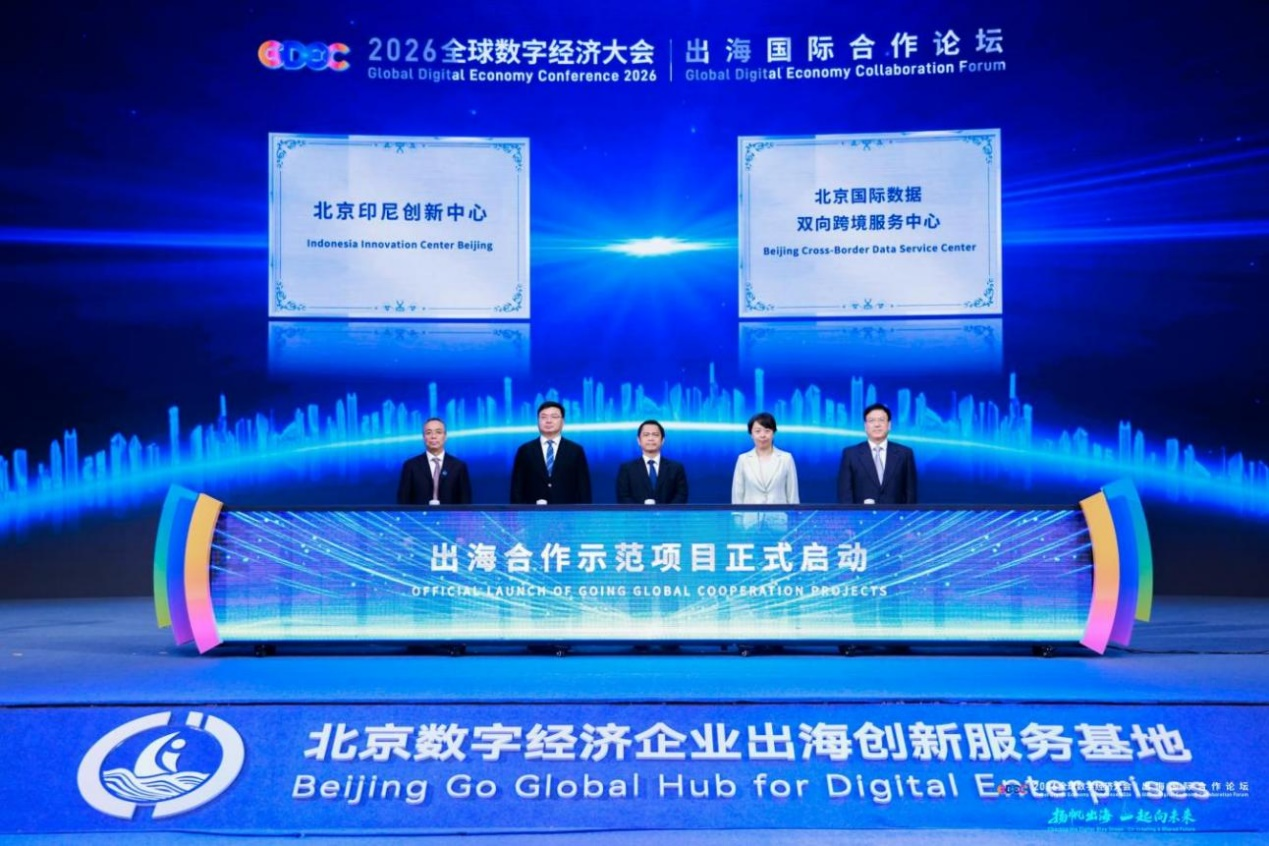
At the event, the Indonesia Innovation Center Beijing and the Beijing Cross-Border Data Service Center were officially launched. They will provide core services covering bilateral technology matchmaking, industrial collaboration, market expansion, and compliant circulation at a regular basis.
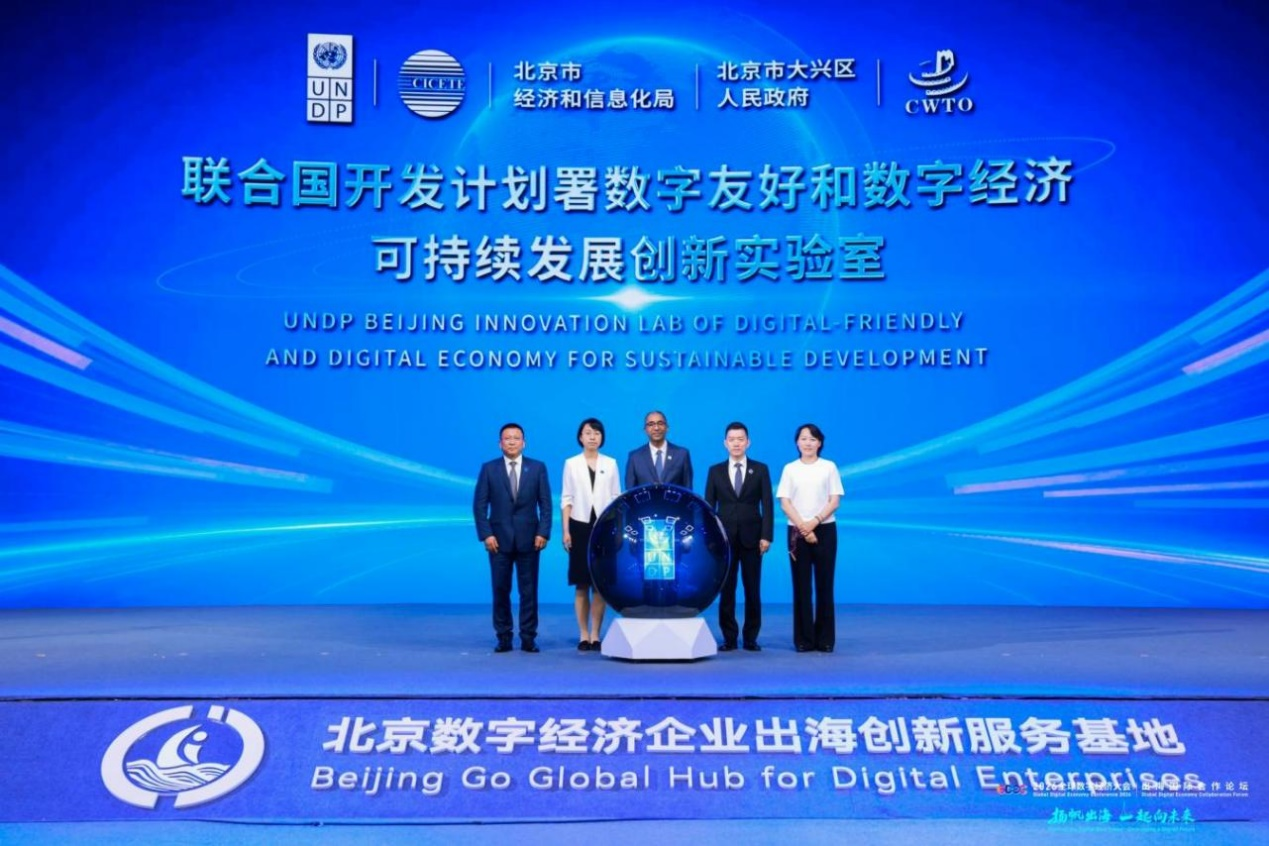
The UNDP Beijing Innovation Lab of Digital-Friendly and Digital Economy for Sustainable Development was also unveiled during the event.
The 2026 List of Digital Economy Cooperation Needs in Key Countries was released at the forum. Among these countries, the League of Arab States released a comprehensive digital economy cooperation map, allowing Chinese enterprises to access the digital markets of its 22 member states. Nicaragua, leveraging its role as a regional hub in Central America, provided an in-depth analysis of the potential of regional digital trade and smart industry development, outlining a new blueprint for cross-border cooperation. Ethiopia, drawing on its strategic location in the Horn of Africa, clarified key transformations in areas such as digital government and digital finance, unlocking huge dividends of Africa’s digital upgrading. Indonesia released a dedicated list of cooperation priorities for digital industry collaboration, focusing on digital transformation, new energy, and high-end intelligent manufacturing in the Southeast Asia. Uzbekistan highlighted four key areas—smart cities, artificial intelligence, fintech, and IT science and innovation parks—and systematically interpreted regional digital economy growth engines and priority cooperation areas, offering targeted guidance for Chinese enterprises seeking to deepen their presence in the Central Asian market.
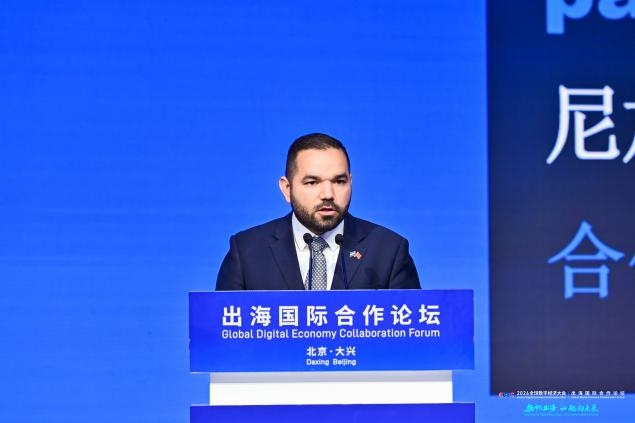
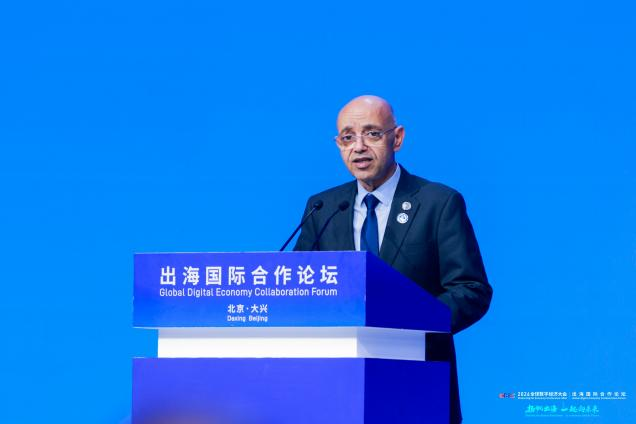

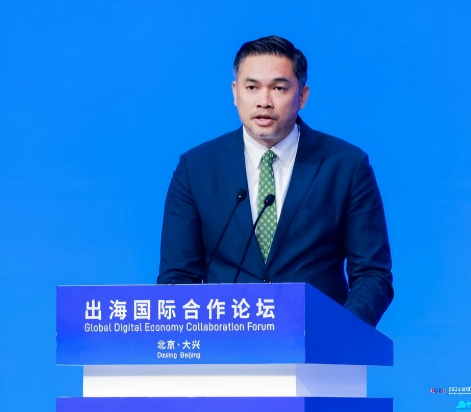

Diplomatic missions in China announce business opportunities
The forum saw the launch of a series of landmark institutional platforms for international cooperation. A total of 14 global service centers were inaugurated, and overseas Go Global Cooperation Demonstration Parks were established. Beijing’s first dedicated support policy for digital enterprises expanding globally and the online comprehensive service platform of the Beijing Go Global Hub for Digital Enterprises were released. Six major service platforms, including the Training Hub for International Talents in Going-Global, were unveiled. Altogether 32 leading enterprises and professional service institutions signed agreements on site. A closed-door matchmaking event for China-ASEAN digital economy cooperation was concurrently held, promoting the effective translation of international cooperation intentions into tangible industrial projects.